
Able Psychiatry TMS
Depression is a complex mental health condition that does not always respond to traditional treatments like medication or talk therapy alone. For individuals who continue to struggle despite trying multiple options, newer approaches can provide renewed hope. Able Psychiatry TMS offers an advanced, non-invasive treatment designed specifically for people with treatment-resistant depression. This therapy focuses on stimulating targeted areas of the brain linked to mood regulation, helping patients experience meaningful symptom relief without the systemic side effects often associated with medications.
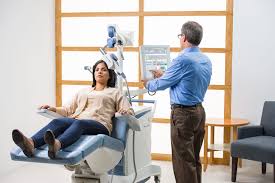
Able Psychiatry TMS works by delivering focused magnetic pulses to specific regions of the brain that are underactive in people with depression. These pulses gently stimulate nerve cells, encouraging healthier brain activity over time. Unlike medication, this approach does not circulate through the bloodstream, which allows it to directly influence brain function while minimizing unwanted physical effects. Treatment sessions are typically conducted in an outpatient setting, allowing patients to return to their normal routines immediately afterward.
One of the most important ways this therapy helps treat depression is by promoting neuroplasticity. Depression can cause certain neural pathways to weaken, making it harder for the brain to regulate emotions effectively. Repeated stimulation encourages the brain to form stronger, more balanced connections. Over the course of treatment, many patients notice gradual improvements in mood, motivation, and mental clarity as their brain activity becomes more balanced and responsive.
How does Able Psychiatry TMS help treat depression?
Another advantage of this approach is its suitability for individuals who cannot tolerate antidepressant medications. Some patients experience side effects such as weight changes, fatigue, or emotional numbness from pharmaceuticals, which can limit long-term adherence. Because this treatment does not involve medication, it provides an alternative for people seeking relief without altering their body chemistry. This can be especially valuable for those who have discontinued medications due to side effects or health concerns.
The structure of the treatment itself also contributes to its effectiveness. Sessions are typically brief and scheduled over several weeks, allowing for consistent stimulation that builds therapeutic impact over time. During sessions, patients remain awake and alert, often reading or relaxing while treatment is administered. This predictable and controlled process can feel empowering, as individuals actively participate in their recovery without hospitalization or downtime.
Personalization is another key factor in successful outcomes. Treatment plans are based on detailed evaluations that consider symptom patterns, medical history, and previous treatment responses. By tailoring the stimulation to each patient’s needs, clinicians can optimize effectiveness while maintaining comfort. This individualized approach helps ensure that therapy aligns closely with the unique nature of each person’s depression.
Beyond symptom reduction, many patients report improvements in overall quality of life. As depressive symptoms lift, individuals often regain interest in activities, reconnect socially, and experience increased confidence. These changes can have a ripple effect, improving relationships, work performance, and daily functioning. The goal is not just short-term relief, but sustainable mental wellness that supports long-term emotional health.
In summary, Able Psychiatry TMS helps treat depression by directly addressing brain activity associated with mood regulation through a safe, non-invasive method. By stimulating neural pathways, supporting neuroplasticity, and offering an alternative to medication, this treatment provides a valuable option for those who have struggled to find relief. Its structured, personalized, and patient-centered approach makes it an effective tool in the ongoing effort to treat depression and restore emotional balance.
