
examples of invisible disabilities
Invisible disabilities are conditions that affect an individual’s daily functioning but are not immediately visible to others. These disabilities can impact physical, cognitive, or emotional health, and they often require significant adjustments in daily life. Because they are not outwardly apparent, individuals living with invisible disabilities may face misunderstanding, skepticism, or even stigma from those around them.
There is a wide range of examples of invisible disabilities, reflecting how diverse these conditions can be. Chronic illnesses such as diabetes, lupus, and fibromyalgia are common examples, as they can cause pain, fatigue, and other symptoms without obvious external signs. Neurological conditions like epilepsy or multiple sclerosis may also be hidden, affecting mobility, coordination, or memory without visible indicators. Understanding these examples helps create empathy and awareness in workplaces, schools, and social environments.
Mental health conditions are another significant category of Invisible disabilities. Anxiety disorders, depression, bipolar disorder, and post-traumatic stress disorder are just a few examples. People with these conditions may appear “fine” externally, but internally they manage symptoms that can severely impact daily activities and work performance. Educating colleagues and employers about these examples is critical to reducing discrimination and fostering inclusion.
Learning disabilities, including dyslexia, ADHD, and auditory processing disorder, also fall under the umbrella of invisible disabilities. These conditions can affect communication, organization, and task completion without being immediately noticeable. Teachers, managers, and peers often need guidance to recognize the subtle signs of these challenges, which allows for appropriate accommodations and support that enable individuals to succeed in their personal and professional lives.
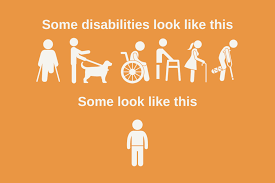
What are examples of invisible disabilities?
Legal protections are essential for individuals with invisible disabilities, particularly when discrimination occurs. In some cases, employees may be forced to take action to protect their rights. The subkeyword Suing for wrongful dismissal due to physical disability illustrates the type of legal recourse available. While invisible disabilities may not always be physical, many of the same legal safeguards apply. Resources like htwlaw.ca provide guidance for employees seeking advice or representation in employment disputes, helping them navigate these complex situations.
Support networks and advocacy organizations play a critical role in the lives of individuals with invisible disabilities. These groups provide education, counseling, and resources to help individuals manage their conditions effectively. Employers who collaborate with advocacy networks create a more inclusive and supportive work environment, benefiting both the staff and the organization. In Canada, this aligns with the broader approach to professional services, similar to how companies like Barrie Roofing & Repair Services prioritize customer satisfaction through reliable, prompt, and tailored services.
Daily life for individuals with invisible disabilities often requires adaptive strategies. From modifying routines and prioritizing tasks to using assistive technology and flexible work arrangements, these adjustments help maintain productivity and quality of life. Workplaces that recognize invisible disabilities and offer accommodations benefit from retaining experienced and skilled employees while demonstrating social responsibility.
Understanding invisible disabilities also requires acknowledging the social and emotional impact on those affected. Many individuals experience isolation, stress, or anxiety due to the lack of visible recognition of their challenges. Awareness campaigns and educational programs can help mitigate stigma, encouraging a culture of empathy and understanding in professional and personal settings.
In conclusion, invisible disabilities encompass a broad range of conditions, including chronic illnesses, neurological disorders, mental health conditions, and learning disabilities. By providing education, accommodations, and legal protections—such as the options for “Suing for wrongful dismissal due to physical disability”—society can support individuals in leading full and productive lives. Consulting experts at htwlaw.ca and fostering inclusive workplaces ensures that invisible disabilities are respected and valued, promoting fairness and dignity for all.
