
Steel warehouse building
In the modern era of industrial and commercial development, energy efficiency has become a key consideration for businesses when choosing the right infrastructure. One question frequently asked by companies looking to optimize their operations is, “How energy efficient is a steel warehouse building?” Steel warehouse buildings have grown in popularity due to their durability, flexibility, and long-term cost benefits. However, their efficiency in energy consumption is equally important, as energy costs often represent a significant portion of operating expenses for warehouses and storage facilities. Understanding the energy performance of a steel warehouse building is essential for companies aiming to reduce overheads and adopt sustainable practices.
A steel warehouse building offers a number of inherent advantages when it comes to energy efficiency. The structural properties of steel allow for open-span designs, which maximize natural light and ventilation. By incorporating large windows or skylights, businesses can reduce the reliance on artificial lighting during daytime operations. This not only lowers electricity consumption but also creates a more comfortable working environment for employees. The ability to design an open and airy layout is one of the reasons steel warehouse buildings often outperform traditional brick or concrete structures in terms of energy efficiency.
Insulation plays a crucial role in determining how energy efficient a steel warehouse building can be. Steel is a good conductor of heat, which means that without proper insulation, the interior can become too hot in summer or too cold in winter, leading to increased heating and cooling costs. Modern steel warehouse buildings are equipped with high-quality insulation materials such as polyurethane panels, reflective coatings, and insulated roofing. These solutions minimize heat transfer, maintain consistent indoor temperatures, and significantly reduce energy consumption. The insulation, combined with energy-efficient HVAC systems, ensures that the warehouse operates with minimal energy wastage throughout the year.
Another factor that contributes to the energy efficiency of a steel warehouse building is its compatibility with renewable energy solutions. Steel structures are well-suited for the installation of solar panels on the roof due to their strength and flexibility. Businesses can take advantage of the expansive roof surfaces commonly found in steel warehouses to generate their own electricity, offsetting energy costs and promoting sustainable operations. This integration of renewable energy not only improves efficiency but also enhances the environmental profile of the business, making steel warehouses a future-ready option.
Lighting systems in a steel warehouse building can also be optimized to save energy. The installation of LED lighting, motion sensors, and smart lighting controls reduces electricity usage without compromising operational efficiency. Steel warehouse buildings often feature high ceilings and wide open spaces, which make them ideal candidates for energy-efficient lighting designs. By leveraging these design advantages, companies can significantly cut down on energy consumption while ensuring that all areas of the warehouse are adequately illuminated for safe and effective operations.
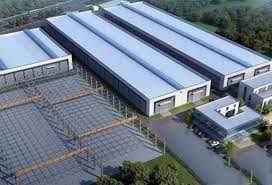
How energy efficient is a steel warehouse building?
The design flexibility of a steel warehouse building also supports energy efficiency in heating, ventilation, and air conditioning (HVAC) systems. Open interior layouts allow for efficient air circulation, minimizing the need for multiple energy-intensive units. Additionally, zoning HVAC systems in larger steel warehouses can ensure that energy is only used where it is needed, reducing waste. Combining these strategies with insulated walls and reflective roofing materials allows a steel warehouse to maintain a stable internal climate with far less energy expenditure than traditional building types.
One often overlooked aspect of energy efficiency in steel warehouse buildings is the speed and precision of construction. Steel warehouses are typically prefabricated, which means that components are manufactured off-site under controlled conditions. This precision ensures minimal material waste and tighter construction, which improves the building’s thermal performance. A well-constructed steel warehouse with airtight connections and well-fitted insulation performs far better in energy efficiency than traditional construction methods that may leave gaps or inconsistencies in the building envelope.
Energy efficiency in a steel warehouse building also contributes to long-term financial savings. Lower utility bills and reduced energy demand directly impact operational costs, allowing businesses to allocate resources to other priorities. Moreover, energy-efficient steel warehouses often qualify for government incentives, green building certifications, or reduced insurance premiums, further enhancing the financial benefits. Companies that invest in energy-efficient design not only reduce their carbon footprint but also strengthen their market competitiveness by demonstrating environmental responsibility.
In conclusion, a steel warehouse building is highly energy-efficient when designed and maintained properly. The structural advantages of steel, combined with modern insulation, renewable energy options, and advanced lighting and HVAC systems, allow these warehouses to minimize energy consumption while maximizing operational efficiency. Steel warehouse buildings are adaptable, durable, and environmentally responsible, making them a preferred choice for businesses that aim to reduce costs and promote sustainability. By focusing on energy efficiency, companies can ensure that their steel warehouse building remains a long-term asset that contributes to both operational excellence and ecological stewardship.
